New sportsbook brands launching
A full pre-match, live, and bet-slip system tuned for fast placement.
Sports betting UI design
Sportsbook UI design with deep expertise in branding, UX and customization – fast, high-converting pre-match grids, live betting interfaces and bet slip UI, designed mobile-first on top of the platform you already run. We shape the look, the brand and the flows that win bets.

Who it's for
A full pre-match, live, and bet-slip system tuned for fast placement.
Swap a generic, templated iframe for a custom sportsbook that is truly your brand – exactly where we come in.
Bet-slip and multi-bet flows designed for thumbs and weak connections.
We redesign, rebrand and customise the UI of your sportsbook – sharpening the user flow across pre-match, live, bet slip and cashier.
Sports navigation, events, markets, search and favourites.
Streamed odds, in-play markets, cash-out, live event card.
Single, multi, system bets with clear stake and payout feedback.
Deposit, withdraw, history, payment methods, bonuses.
Settled bets, historical data, league and player stats surfacing.
Token-driven. Switch instantly without forking the design.
Try it yourself
Just for fun – take a few penalty shots, then watch the numbers that matter climb: session time, bets per session and player retention.
Playable illustration. Gamification lifts player retention by 30–40% and ARPU by ~20% (iGaming research); over 95% of US betting is now mobile and ~60% of online bets are live/in-play (LSR, Market.us). Actual results vary by product.
Showcase
From live and pre-match to the bet slip and a full component kit – the screens behind a fast sportsbook. Tap any to explore.
Process
Markets, providers, regulatory scope, mobile vs desktop split.
Theme to identity. Colours, typography, illustration, dark + light.
All flows, including live edge cases and bet-slip states.
Documented Figma, components and tokens, ready for your developers to build from.
Playbook
Good sportsbook design is measured in seconds to first bet, bet slip completion rate and in-play retention, not in Dribbble likes. These are the sports betting UI design principles we apply on every engagement, whether it is a turnkey reskin or a proprietary sportsbook built from the first wireframe. Each one comes from a live product, a real odds feed and real punters on mid-range phones.
The bet slip is where sportsbook UX turns intent into revenue, and it is the screen most often copied from a provider default without a second thought. A good bet slip UI does four things at once: it confirms what was selected, makes the stake and potential return legible in a glance, explains what changes when odds move, and never loses a selection. We design the slip as a persistent, collapsible surface on desktop and a bottom sheet on mobile, so the player can keep browsing markets while the slip tracks every tap.
Multi-bet design is where most slips break. Accumulators, system bets and bet builders need a clear visual hierarchy between legs, combined odds and total stake, plus honest handling of conflicts such as two selections from the same event. Our bet slip UI patterns include quick-stake chips tuned to the operator’s average stake, inline keypad entry that never covers the return figure, an explicit “accept odds changes” control instead of a silent reprice, and error states that say what to fix rather than just turning red. On a recent sportsbook redesign this alone lifted slip completion by double digits without touching the odds.

In-play is where the hardest sportsbook design problems live, and where most of the margin is made. A live betting interface has to absorb odds updates several times a second, market suspensions and event feeds without jitter, reflow or accidental taps on stale prices. We design update patterns that show change without chaos: short flash states on price movement, locked rows during suspension, a clear “bet placed at” confirmation, and cash-out controls that stay in a fixed position so a player under pressure never has to hunt for them.
The live betting experience also competes with a second screen. Match trackers, momentum bars, live statistics and streaming belong inside the event card so the punter stays on your product between bets. We specify every one of these components for real data latency, reconnection and partial feeds, because an interactive sportsbook design that only works on a perfect mockup feed fails on a Saturday afternoon. The live event card, the in-play list and the bet slip are designed as one system, with shared odds formatting, suspension states and motion rules.

Most betting volume arrives through mobile web and apps in the minutes before kickoff, often on mid-range Android devices and congested stadium networks. Mobile sports betting design therefore starts with a performance budget, not a moodboard: lightweight component patterns, skeleton states while odds load, and layouts that stay usable while data is still streaming in. Navigation is built for one thumb, with a sport switcher, favourites and search reachable from the bottom of the screen and the bet slip as a draggable sheet that never hides the current odds.
For sports betting app design we also handle what desktop never has to: biometric login that returns the player to the exact event they left, push and in-app notifications for settled bets and cash-out windows, deposit flows that complete in under a minute, and offline or weak-signal states that keep the last known odds visible but clearly marked. Every mobile screen ships with specifications for loading, error and reconnection states, the details that separate a usable live product from a pretty Figma file. The same sportsbook UI design system drives the responsive website, so a player moving between phone and desktop sees one product.
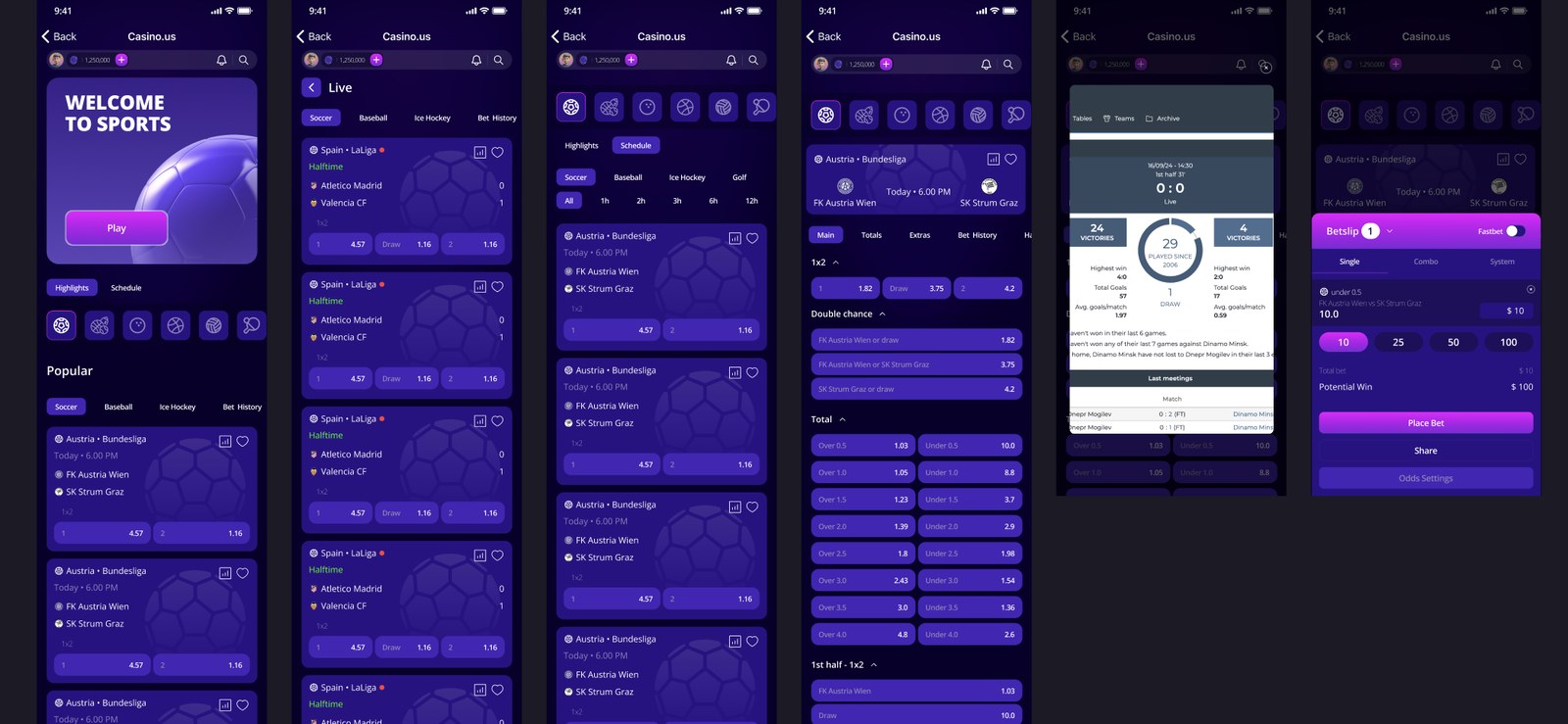
A sportsbook site design is never one layout. The same event grid has to work as a three-column desktop view with a docked slip, a tablet view with collapsible market groups and a single-column mobile list, and the odds, states and motion have to behave identically across all of them. We deliver sportsbook UI design as a documented system: tokens for colour and type, odds and market components with every state, templates for pre-match, live, event, slip, My Bets and cashier, and motion rules for price changes and settlement. Your front-end team, or ours, builds from that system instead of from static screens.
If you run on a provider platform, the system is scoped to what the platform exposes. Our platform customization work reskins and upgrades provider sportsbook front ends without touching trading, and our turnkey template gives new operators a ready sportsbook and casino UI to brand and launch quickly. Either way you get an interactive sportsbook design that is yours, not the same template your competitors licensed.
Selected cases
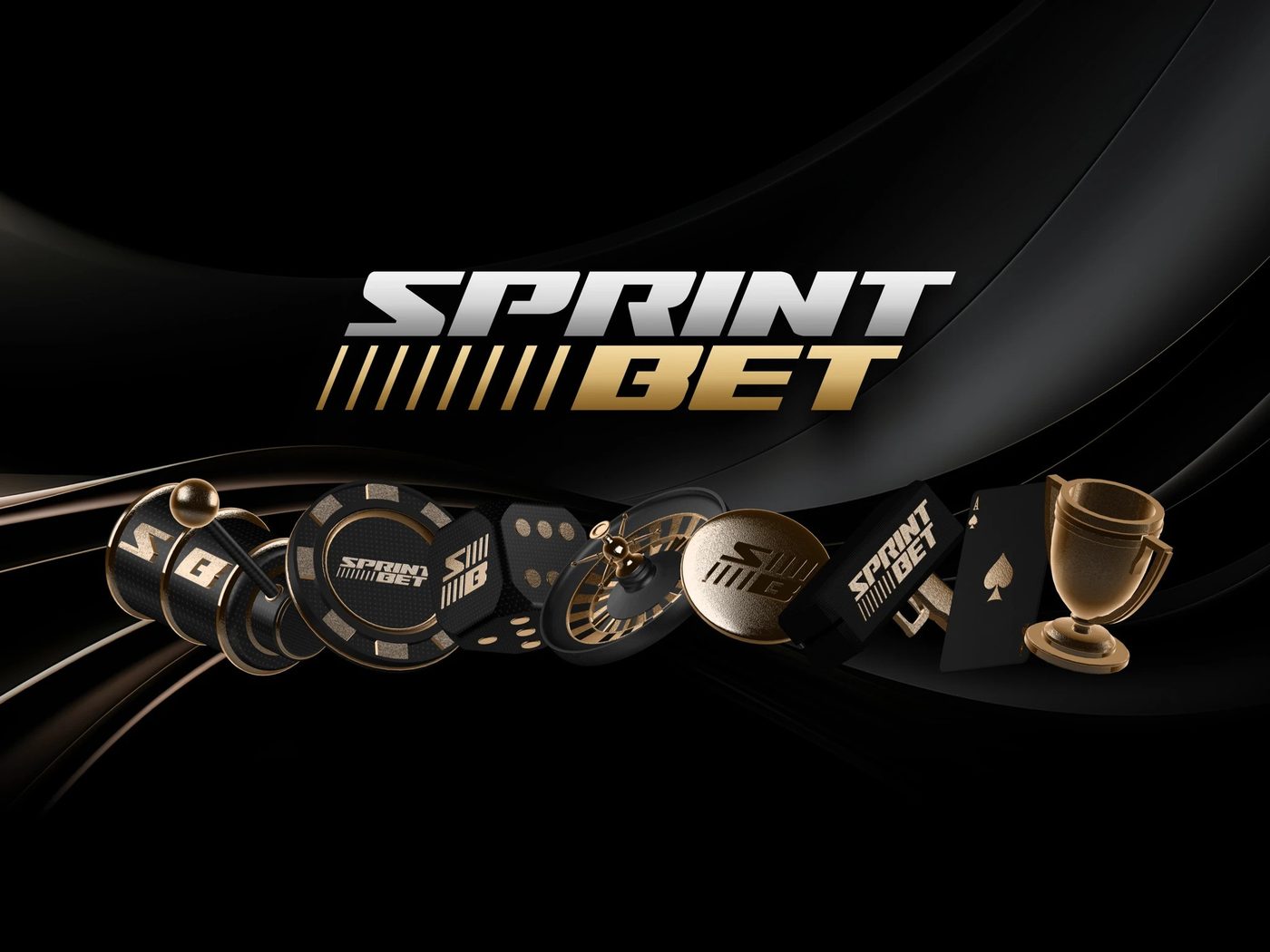
Mobile-first sportsbook with live betting and fast bet-slip UX.
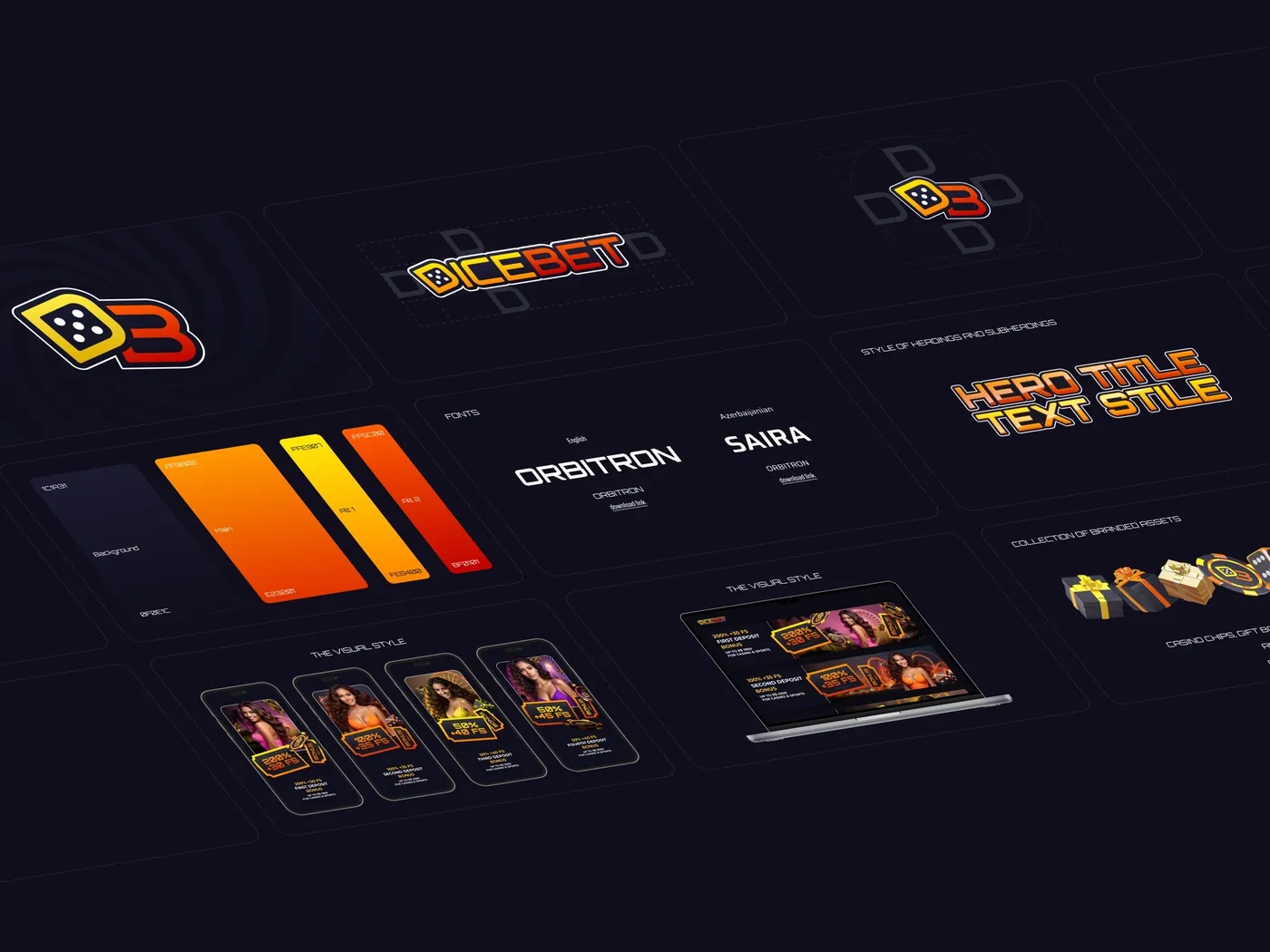
Provably-fair crypto dice brand with 3D mascots and social visuals.
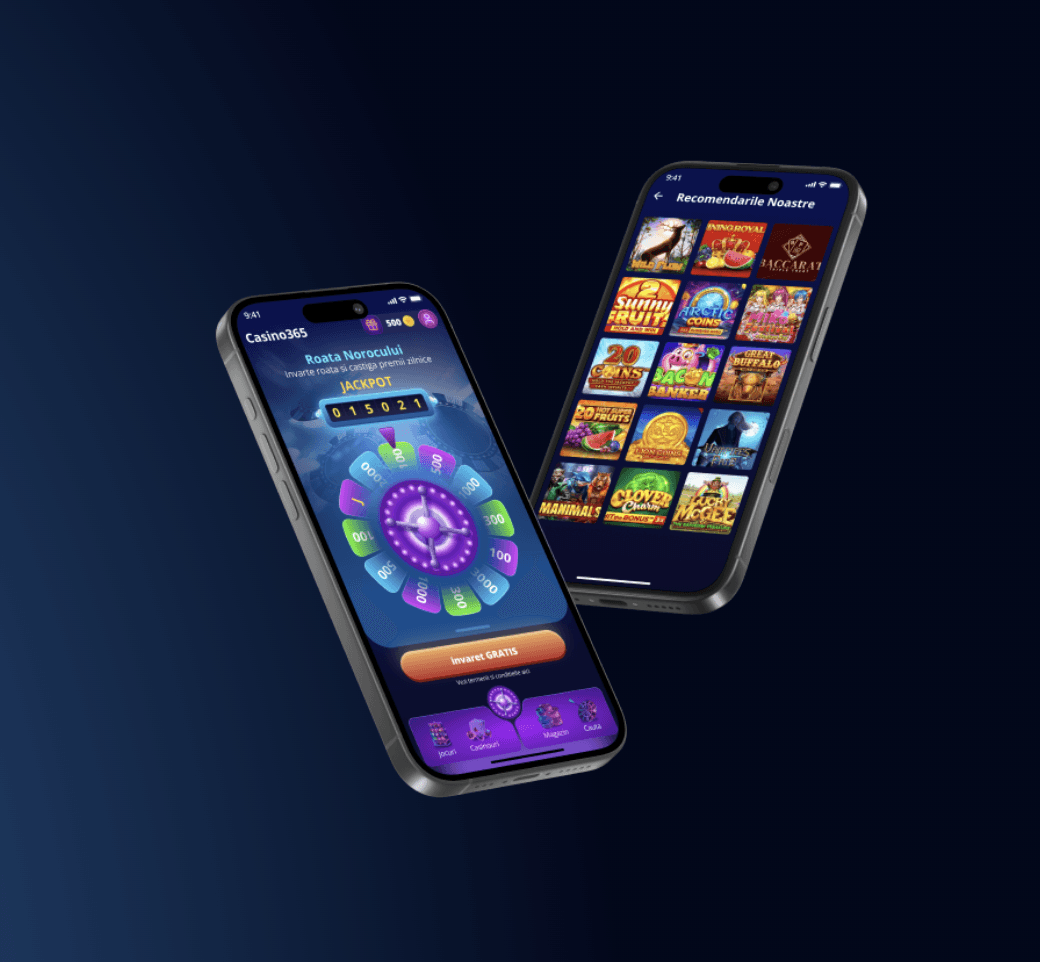
Full platform redesign with multi-language and a dark-mode launch.
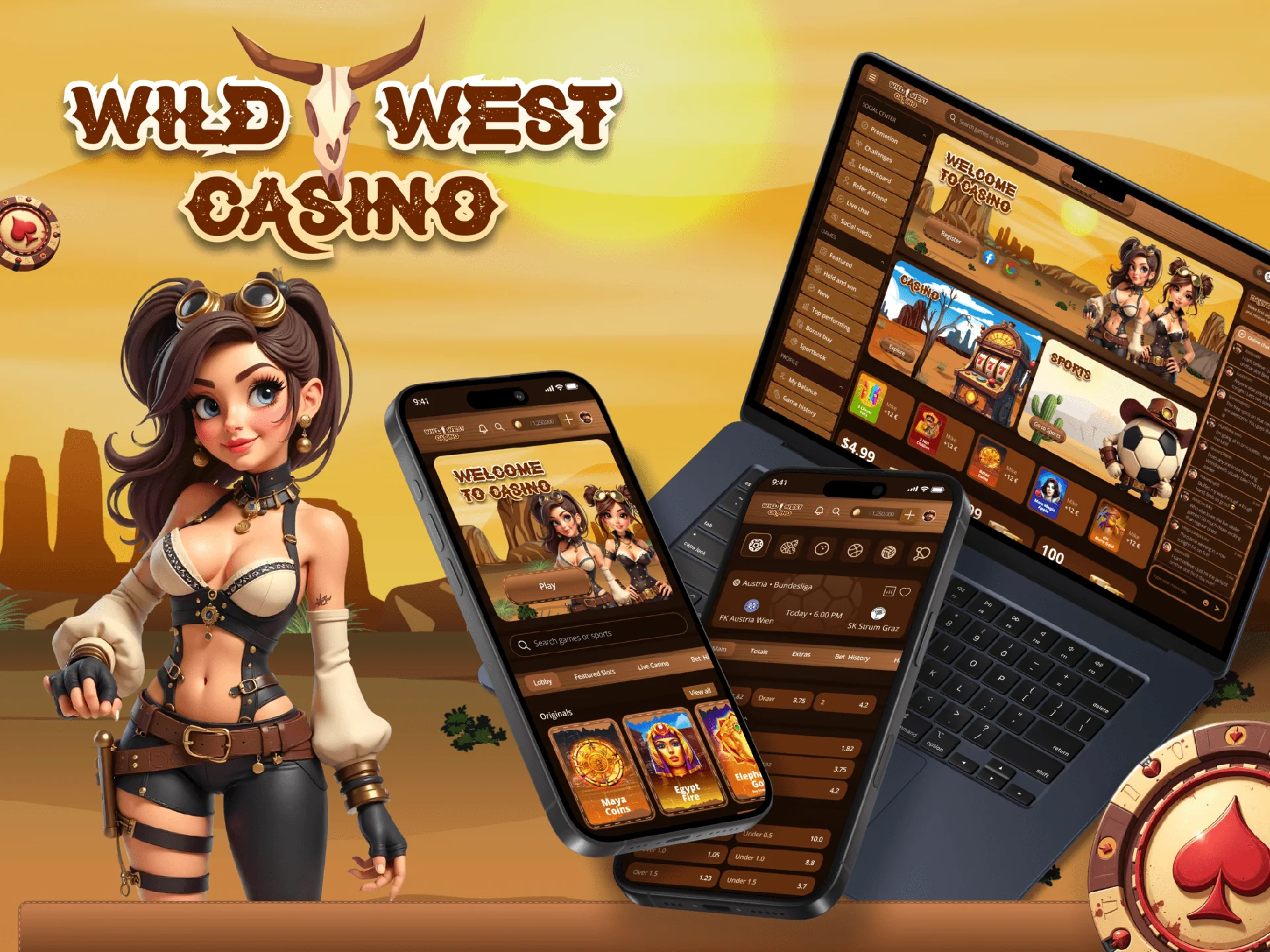
Themed lobby with a strong illustrated identity and motion design.
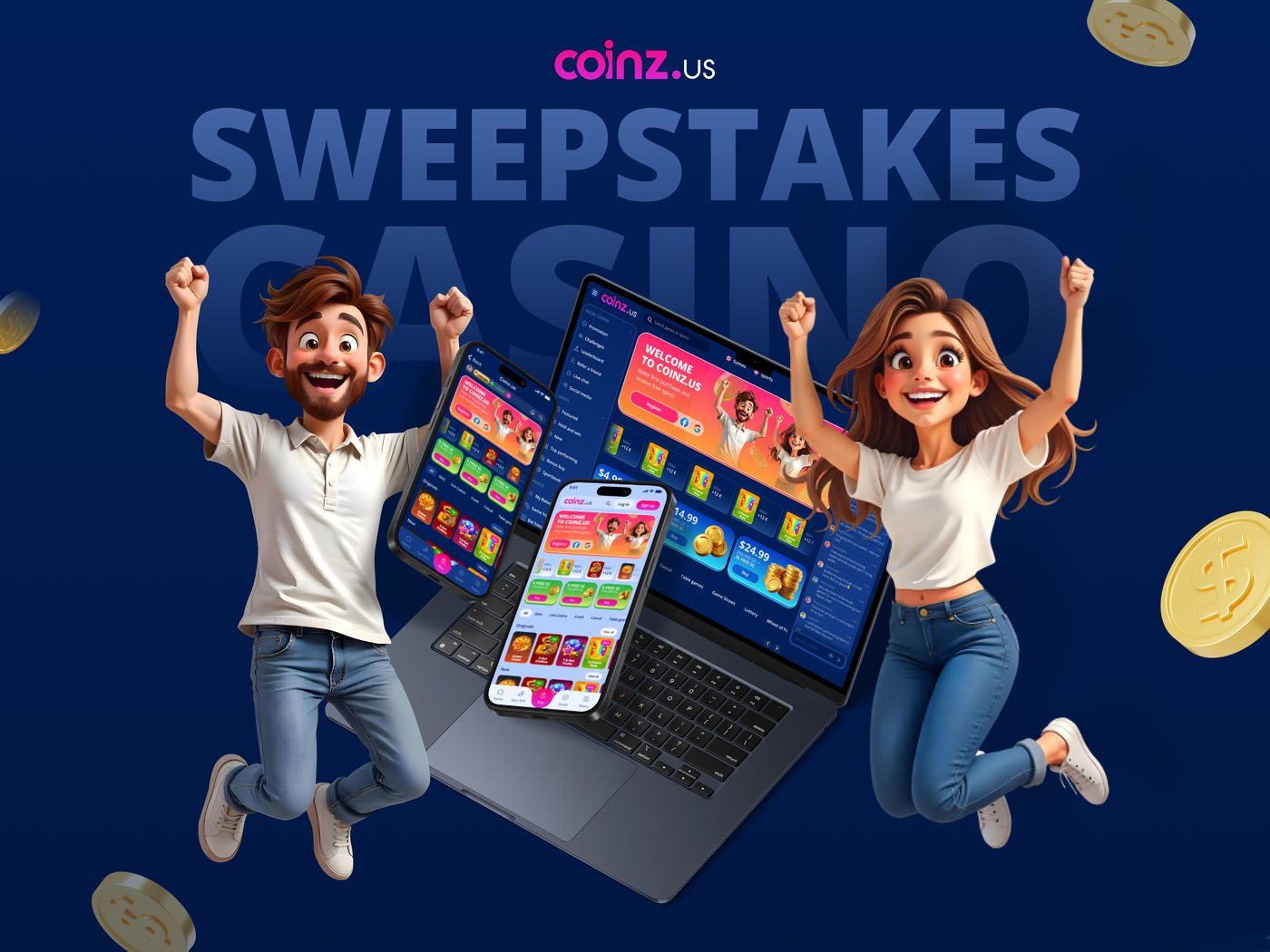
Crypto-native iGaming brand with dual-currency product UX and a coin mascot.
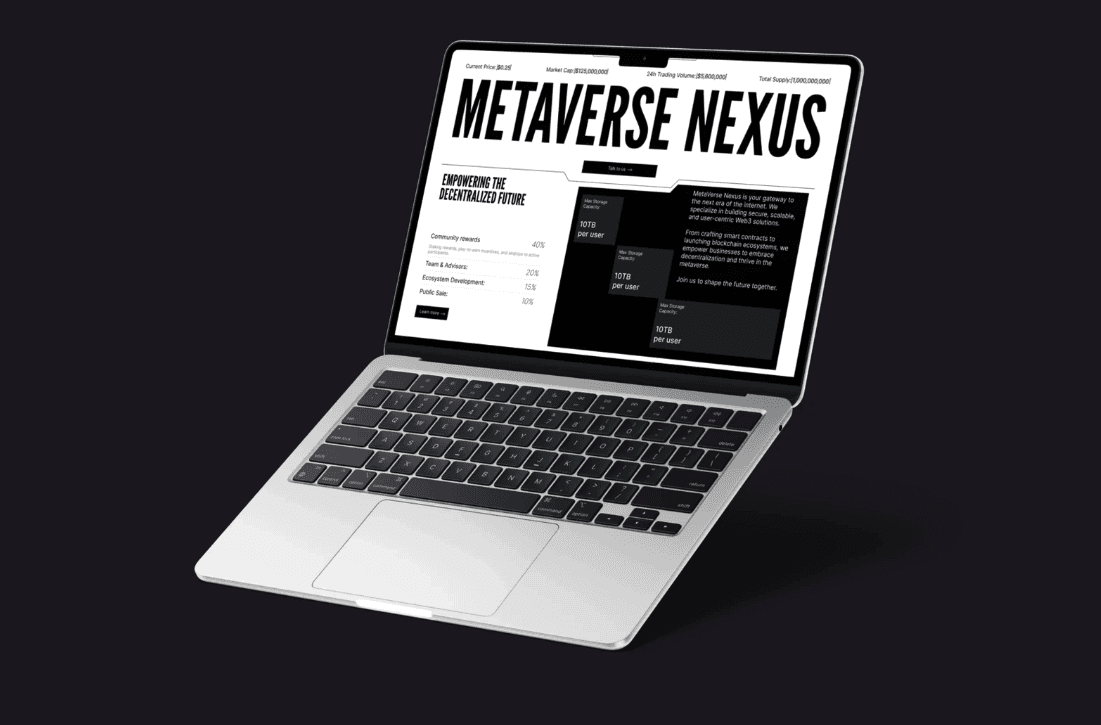
Web3 ecosystem website with tokenomics, staking and a brand story.
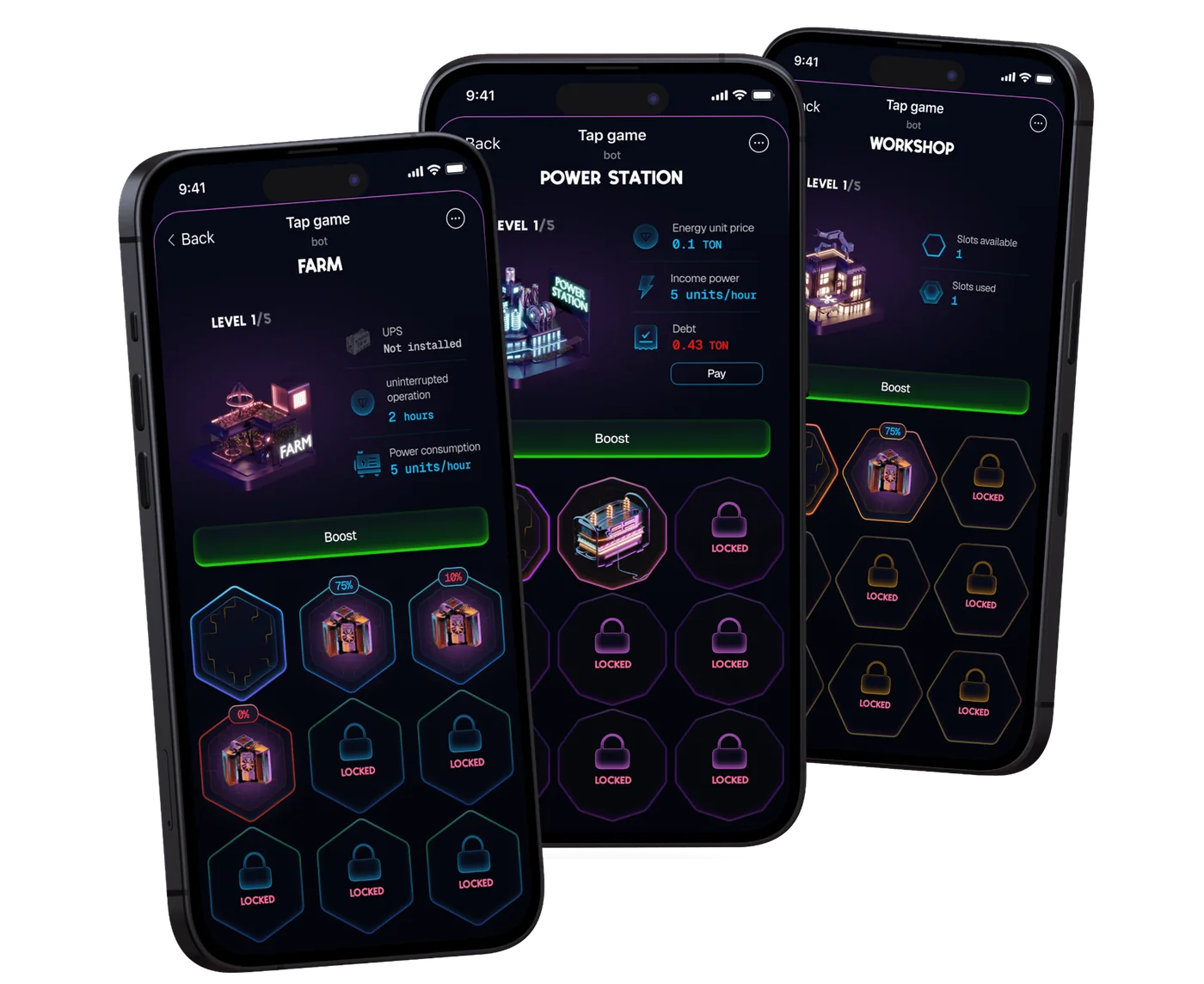
Telegram mini-app tap-to-earn game with 3D assets and a live economy.
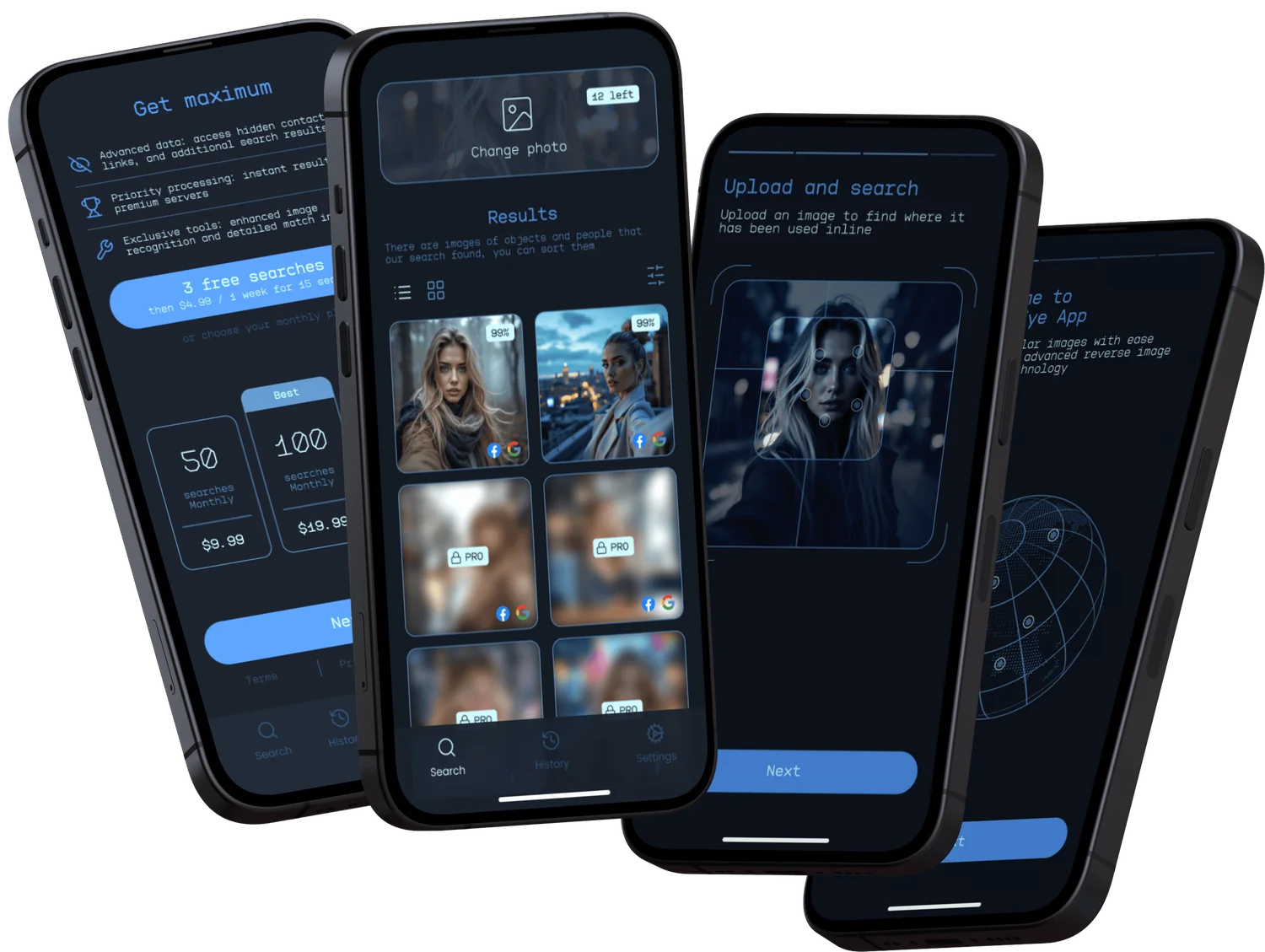
Reverse image search app with clean upload, match and results flows.
Yes. We audit the live product, rework the sportsbook UX, branding and components, and can ship the front-end too. Most sportsbook redesign projects run 6–10 weeks from audit to handoff.
Yes. Live odds, cash-out, suspended markets, match trackers and reconnection states are treated as first-class flows in our live betting interface design, not afterthoughts.
A bet slip UI that never loses a selection, shows stake and potential return at a glance, explains odds changes instead of silently repricing, and handles accumulators and system bets with a clear leg-by-leg hierarchy. We design it as a docked panel on desktop and a bottom sheet on mobile.
Yes. We design responsive sportsbook websites and native iOS and Android betting apps from one sportsbook UI design system, including one-thumb navigation, biometric login, notifications for settled bets and weak-signal states.
It depends on scope: a provider front-end reskin is faster than a proprietary sportsbook designed from scratch. A typical sportsbook design & UX engagement runs 6–10 weeks. Send us your current product or provider shortlist and we return a UX assessment with a fixed quote, usually within a week.
Any of them, including the most popular sportsbook providers and turnkey platforms. How far we can take the UI comes down to how customisable your sportsbook front end is, which we establish in the first call.
More from the studio
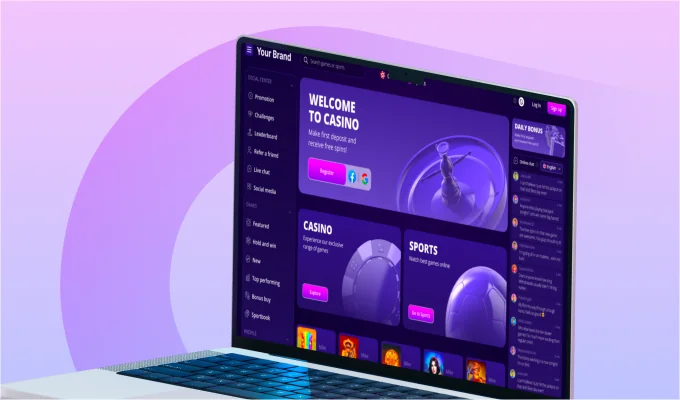 Turnkey Template
Ready-to-launch iGaming and sportsbook UI for fast brand customisation.
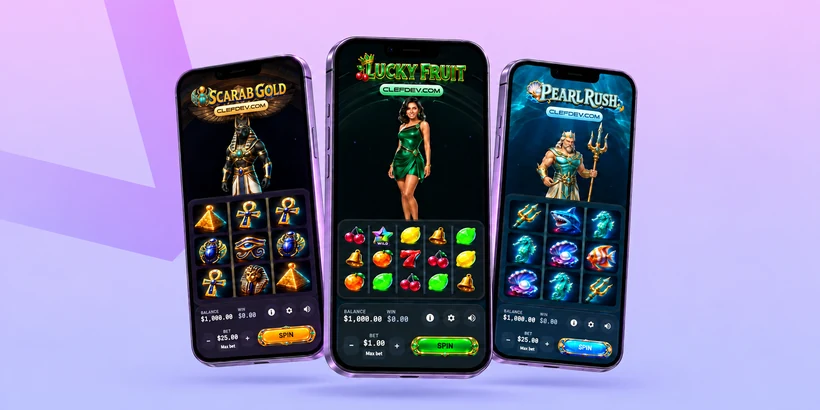 Game Design
Slot & casino games: math, art, characters and UI.
 Platform Customization
UI upgrades and branding for existing iGaming platforms.
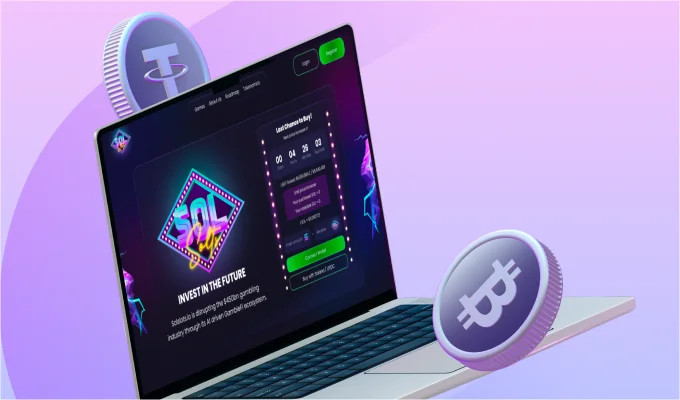 Web3
Design for crypto platforms, token projects and Web3 ecosystems.
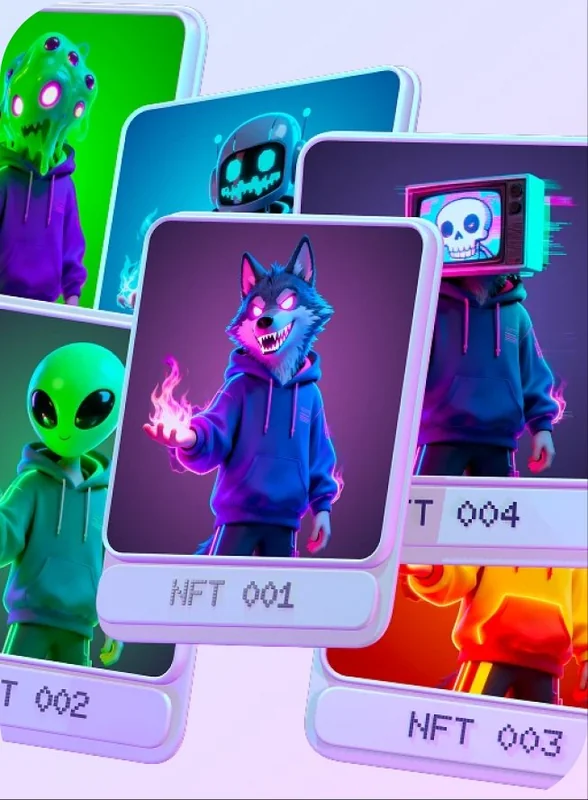 NFT & Gamification
Collectible assets and gamified visuals for engagement.
 Product & UI/UX
Intuitive product interfaces focused on usability and scale.
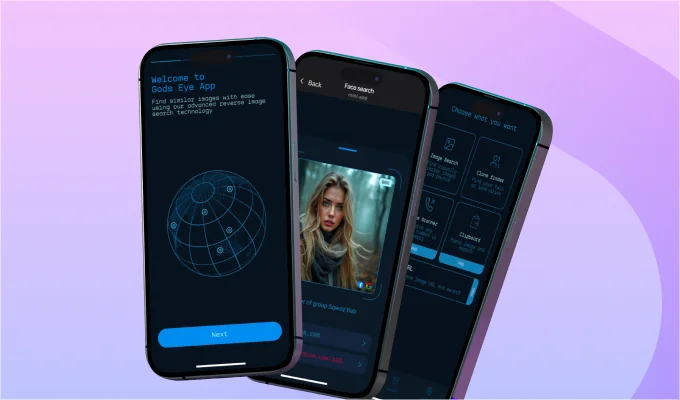 Apps
User-friendly mobile and web apps for modern products.
 Brand Systems & Identity
Scalable brand identities and design systems.
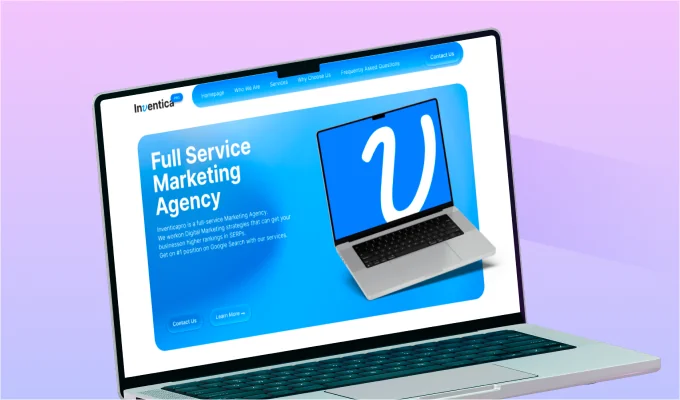 Conversion Landing Pages
High-converting pages for launches and campaigns.
 3D, Motion & Visuals
High-quality 3D visuals and motion for products and marketing.
 Mascots & Characters
Unique characters that strengthen brand identity.
ClefDev is a sportsbook design agency that works on the screens where betting margins are actually won: the pre-match grid, the live betting interface, the bet slip and the cashier. Our betting UI design practice covers everything from market navigation and multi-bet builders to stats widgets and responsible gambling touchpoints, all engineered mobile-first because that is where the volume sits. We approach sportsbook UX as a speed problem as much as a layout problem, designing interfaces that stay readable and tappable while odds update several times a second. Whether you are launching on a turnkey sportsbook or redesigning a proprietary product, ClefDev delivers a front end punters trust with their money.
Sportsbook interfaces fail in ways generic agencies never anticipate: a grid that collapses when a football match has 300 markets, a bet slip that loses selections on an odds change, a cashout button that hides at the exact moment players need it. ClefDev designs and builds sportsbook front ends with those realities baked in from the first wireframe. Our team has shipped betting UI design for operators across regulated and emerging markets, on both turnkey platforms and custom stacks.
The pre-match experience decides whether a punter finds their bet in ten seconds or leaves for a competitor. We design dense, scannable event grids with intelligent defaults: featured leagues by region, collapsible market groups, inline search and a sport-switching pattern that works one-handed on a phone. Odds formatting, movement indicators and suspension states are treated as first-class design elements, because in sportsbook UX the data is the interface.
A sportsbook is more than its grid, so we design the full supporting cast:
Operators running on white label or turnkey sportsbook providers can still differentiate heavily at the interface layer. We pair this service with our casino platform customization work to reskin and upgrade provider front ends without touching core trading systems, and our motion design team supplies animated banners, win moments and promo loops in web-friendly Lottie and MP4 formats.
If you are comparing agencies, ask each one how they would handle odds-change acceptance in the slip or market suspension in the live view. ClefDev answers those questions in the first call, because betting products are a core vertical for us rather than a one-off project. Send us your current sportsbook or your provider shortlist and we will return a concrete UX assessment with prioritised fixes, typically within a week.
We use cookies to personalise content and measure our ads. See our Cookie Policy.