When Gambling Ads Go, the Product Is the Marketing
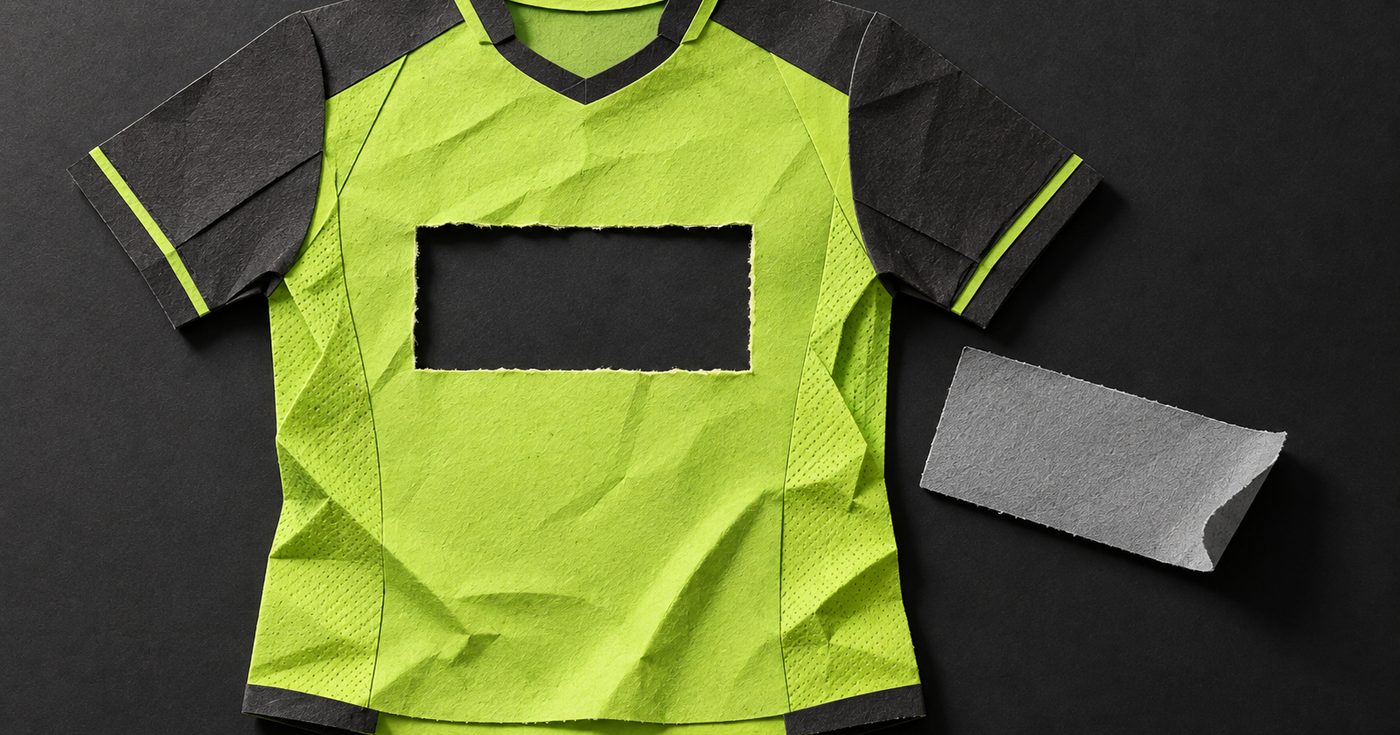
On 17 September the House of Lords Liaison Committee told the UK government to ban gambling advertising. The word is ban, not restrict: a comprehensive ban "as soon as practicable", with a carve-out for on-course racing and a question mark over the lottery. The Betting and Gaming Council called the report misguided the same day. We read it differently. The report is a list of every channel a UK operator uses to find and keep a player, with a recommendation next to each one. Strip those channels out and what remains is the product, which is the part we work on.
What the Lords want gone
The headline recommendation is the full ban, which the committee calls the most effective option for cutting harm. Behind it sits a transitional package for a government that will not go that far, and that is where the detail lives. Direct marketing is first: emails, texts and push notifications, from operators and from affiliates alike. What stays is account information, safer gambling messaging (if an independent assessor agrees it is not promotional) and interventions triggered by harm indicators. Inducements are next, and the committee wants the CAP Code to stop anyone calling anything a "free bet". Content marketing follows, including posts on an operator's own social accounts, because the committee says such content has commercial intent and appeals to under-18s. Influencers and content creators should be kept away from licensed operators, either by a direct prohibition or by refusing them affiliate licences. Shirts, training kits, stadium boards and sports broadcasts are out, with the report naming training kits and "alibi branding" as the escape routes it expects operators to try. Ads should not be served to anyone under 25. And the whole thing should sit with one statutory regulator, the Gambling Commission, instead of the ASA. The committee also wants advertising rules tied to product risk, with tighter limits on "high-speed, continuous play online gaming". Read that as slots. If this lands, a casino lobby will be harder to promote than a sportsbook.
The Netherlands already ran this experiment
Dutch operators lost untargeted advertising on 1 July 2023: television, radio, print, public spaces. Programme and event sponsorship followed in July 2024, and every sports sponsorship deal ended on 1 July 2025. KSA chairman Michel Groothuizen warned the industry in May 2025 that "in other countries with a similar ban, we see that gambling providers try to circumvent the ban in creative ways", and promised immediate enforcement. The numbers since then are the useful part. By player activity, about 94% of Dutch gamblers stayed with licensed sites through 2025. By money, the licensed share fell from 51% at the end of 2024 to 49% in the first half of 2025, with licensed GGR at 600 million euros against an estimated 617 million euros offshore. The KSA does not blame the advertising ban for that. It points at the deposit limits introduced in October 2024 (700 euros, or 300 euros for under-25s) and a tax rate that went from 34.2% to 37.8% this year. So an ad ban did not empty the licensed apps. People kept opening them, 1.38 million accounts a month in the second half of 2025. The fight over money now happens inside those apps, per session and per player, where a billboard never reached.
Acquisition without a welcome offer
Most UK onboarding is built around a bonus. The landing page leads with it, the registration flow is a corridor toward it, and the first deposit screen is where it pays out. Ban inducements and the corridor leads nowhere. The first session then has to do the selling, and that changes the order of screens. Registration and the affordability checks are already mandatory, so they should be short and plain rather than padded with promo tiles. The lobby should open on the product: the live page, the bet builder, the game a returning player last opened. Demo play, search and game info become acquisition tools, because a player with no offer to chase will judge the app on whether it is any good in the first ten minutes. Awareness is the harder problem. Without paid media, a brand is discovered through the app store, organic search, licensed affiliates and people telling each other. The brands with recognition on the day a ban lands keep it, and newcomers cannot buy it afterward. In our casino design work, the briefs from ad-restricted markets already read differently: less about the campaign, more about whether the icon, the lobby, the game tiles and the odds button are recognisable at a glance and consistent enough to be remembered a week later.
Retention without a push notification
The direct marketing ban is the part that will hurt most, and the committee knows it. It calls the evidence linking direct marketing to harm "particularly strong" and says operators can intervene when they see harm indicators without sending marketing to do it. So the "we miss you" email is gone, and so is the reload offer on a Friday push. Retention has to be built into the session itself: a home screen that remembers what you follow, and a fixture list that shows the match you bet on last week as information rather than as an offer. The transactional messages that survive (deposit confirmations, limit reminders, verification requests, the safer gambling message that passed the independent assessor) become the only mail the brand sends. Most operators treat those as legal templates. After a ban they are the whole relationship, and they deserve the care that campaigns used to get. The report also asks the Gambling Commission to consider a kitemark on licensed operators' advertising and on licensed affiliates. If that arrives, the trust mark moves out of the footer and into the lobby.
Will it happen?
Nobody knows. The government must reply but is not bound, and the committee itself notes that the 2020 recommendations went "largely unaddressed" for six years. The Betting and Gaming Council's Grainne Hurst called the report "deeply misguided" and argued that "the right to advertise is one of the fundamental distinctions between a legal, licensed and highly regulated operator and an illegal website". Lord Foster of Bath, acting chair of the 2020 committee, said a ban "would shrink, rather than grow, the gambling sector" and cited a Sheffield study putting a 10% cut in gambling spend at 1.25 billion pounds of GVA and 22,000 jobs elsewhere in the economy. Even a partial version changes the funnel. Direct marketing and inducements are the two recommendations with the strongest evidence behind them, and either one on its own removes the welcome bonus or the push notification from a UK operator's toolkit. If your growth plan is a media budget and a sign-up offer, a parliamentary committee just recommended making it illegal. The product, the brand and the boring account emails are what survive. Dutch operators have sold without a TV slot since 2023 and without a shirt deal since 2025. Build as if the ban already passed. If it never does, you still end up with a better app than the competitors who waited.
Sources
1. UK Parliament, House of Lords Liaison Committee, "Gambling Harm, Time for Action: Follow-up report", September 17, 2026
2. UK Parliament Committees, "Comprehensive ban on gambling advertising recommended by new Lords report", September 17, 2026
3. iGB, "House of Lords committee urges near-total ban on gambling advertising in updated report", September 17, 2026
4. NEXT.io, "UK industry faces fresh reckoning as Lords demand gambling ad ban", September 17, 2026
5. iGB, "Netherlands channelisation falls below 50% as illegal market grows, KSA warns", April 21, 2026
6. iGB, "Dutch regulator issues sports sponsorship warning ahead of upcoming ban", May 23, 2025
Need a partner who tracks this stuff?
We build for the markets and rails ahead of the curve.
Talk to us