Operators launching a new brand
Stand up a distinctive casino or sportsbook identity and product UX from scratch — fast, and ready to convert from day one.
Industry
We're an iGaming and online casino design agency with six shipped casino, sportsbook and crypto products behind us — not a portfolio of mockups. From brand birth to lobby UI to a built, mobile-first front end, we deliver the whole stack under one roof and tune every screen for conversion and retention.
Who it's for
Stand up a distinctive casino or sportsbook identity and product UX from scratch — fast, and ready to convert from day one.
Break out of the generic template with a custom design system and lobby that finally looks like a brand players trust.
Wallet onboarding, dual-currency UX, provably-fair flows and tokenomics storytelling from a team that has actually shipped them.
Everything an iGaming product needs to look sharp and convert — designed, and built when you want it built.
Naming support, logo, color, type and a full multilingual brand guidebook — the cohesive system the rest of the product hangs on.
Slot lobbies, game tiles, search and category flows designed for fast discovery and longer, returning sessions.
Pre-match, in-play, odds and bet-slip experiences with a fast, mobile-first bet flow on top of your platform and feed.
Sign-up, KYC, deposit, bonus activation and reward screens engineered to lift first-deposit and retention rates.
Custom 3D asset libraries, brand ambassadors, mascots and animated marketing creatives that make the brand feel alive.
High-converting, mobile-first landing pages and product front ends shipped in Figma, Framer or React on top of your stack.
Process
We map your goals, market, audience and competitors, then scope the work against your launch date.
Information architecture, key flows and the visual or brand system the whole product hangs on.
Production-ready UI across every surface, documented in a Figma system with components and variables.
Front-end build in Framer/React, or a clean developer handoff your engineers can ship.
Why this works
UI/UX, branding, 3D, motion and front-end under one roof — no handoffs between three vendors.
We design products that go live. Real, named case studies you can click through and verify.
Weekly review cycles, fast iteration and clear ownership — design that keeps up with your launch.
Selected cases
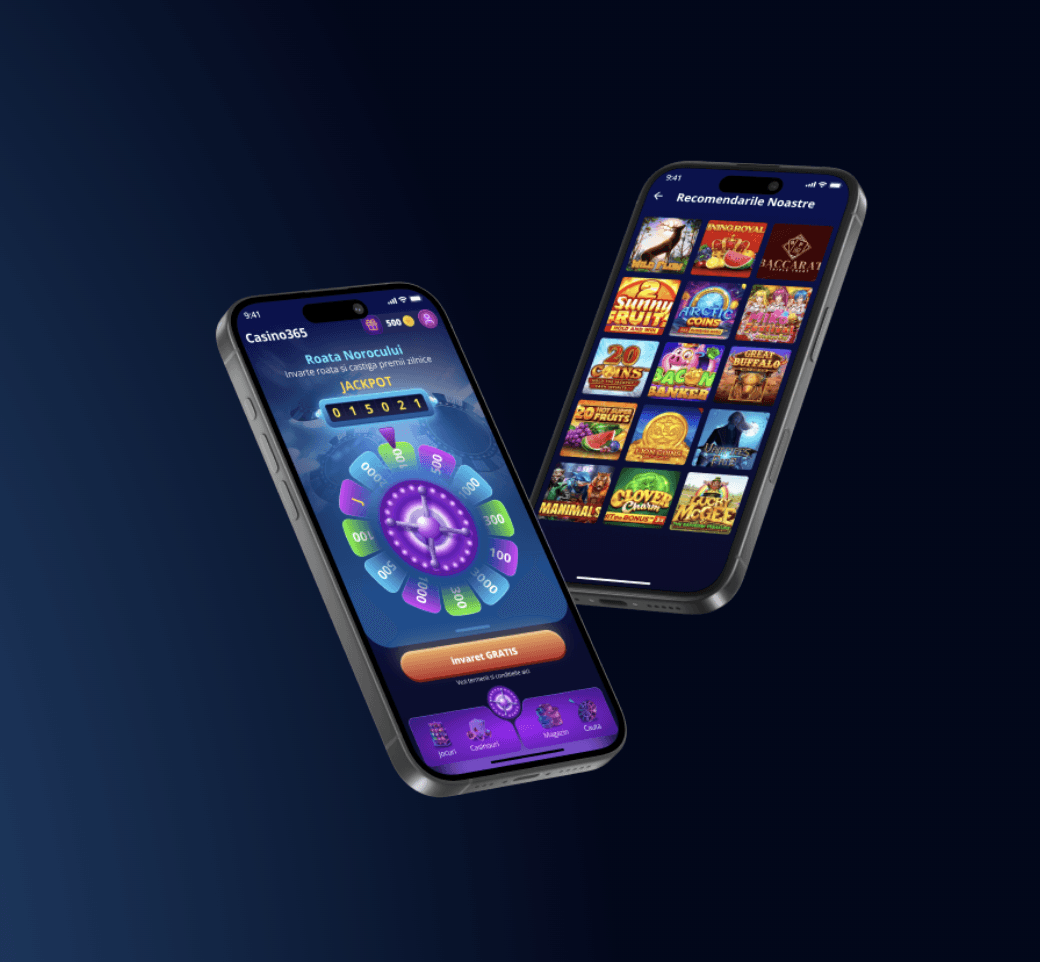
Casino365Mobile-first casino app for Romania — dark neon aesthetic with smooth bonus and reward flows.
 WildWest
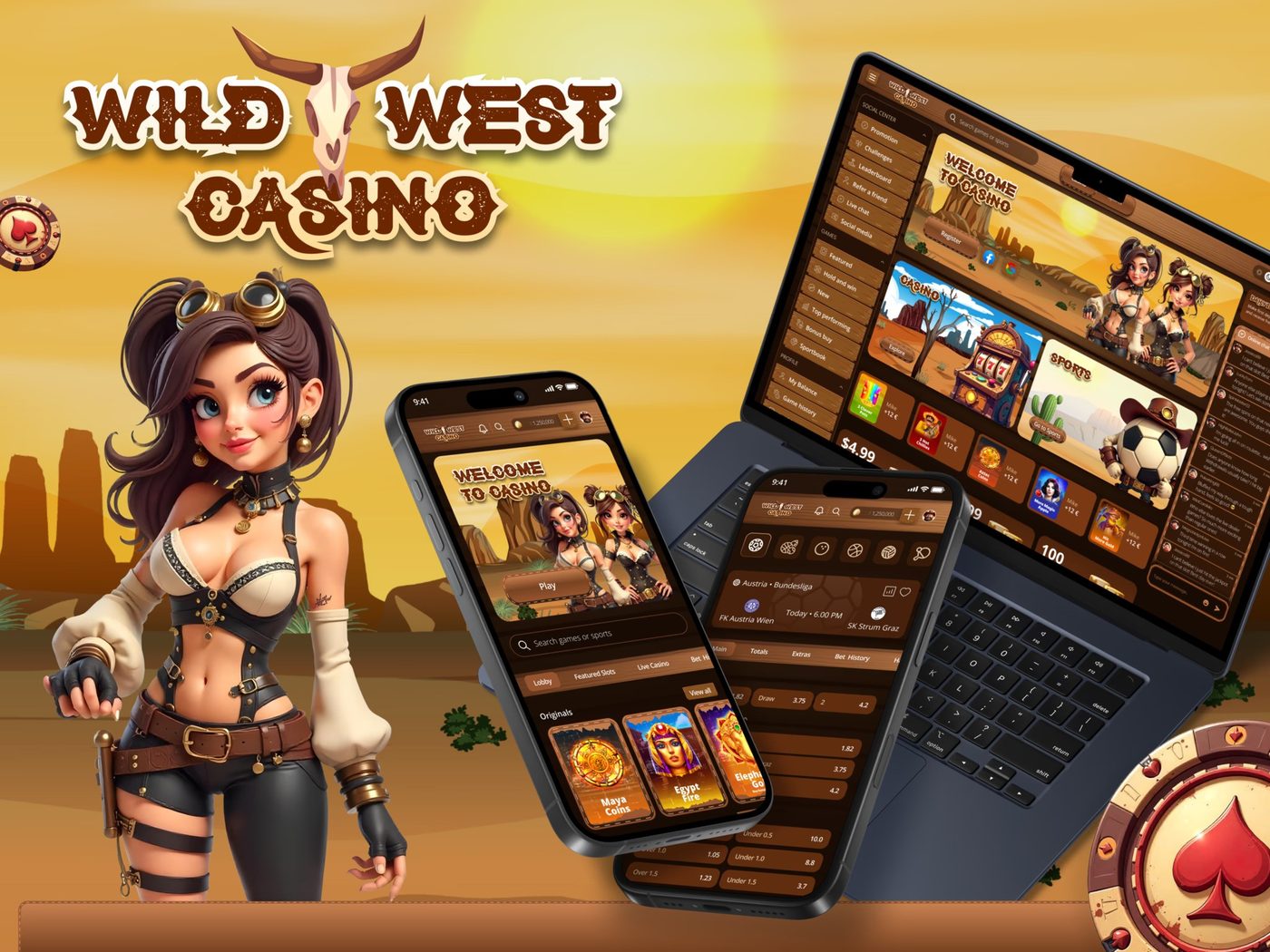
White-label casino rebuilt as a branded, illustrated frontier world with a custom design system.
 Sprintbet
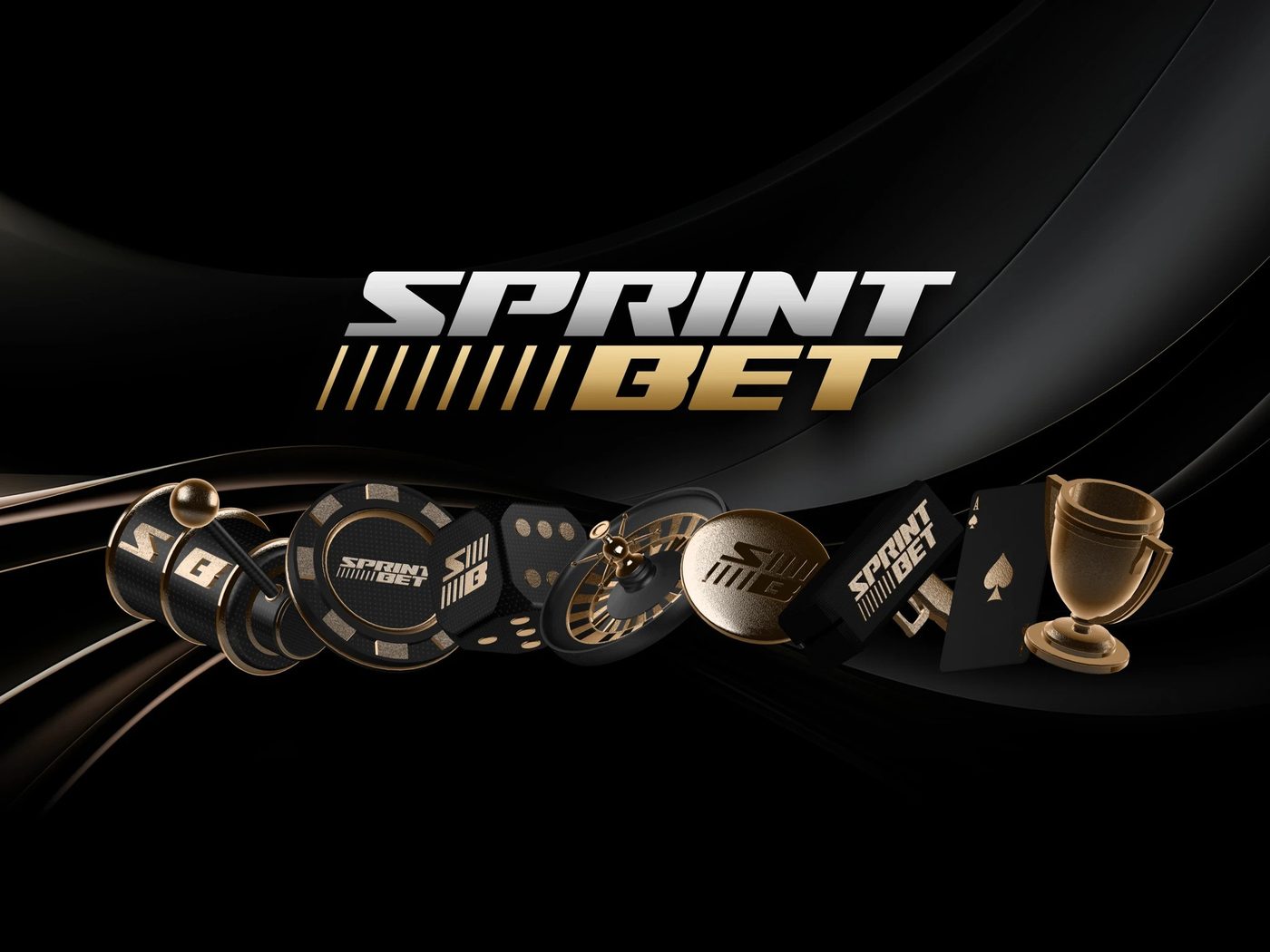
Premium black-and-gold casino and sportsbook brand built to enter Asia and India.
 Dicebet
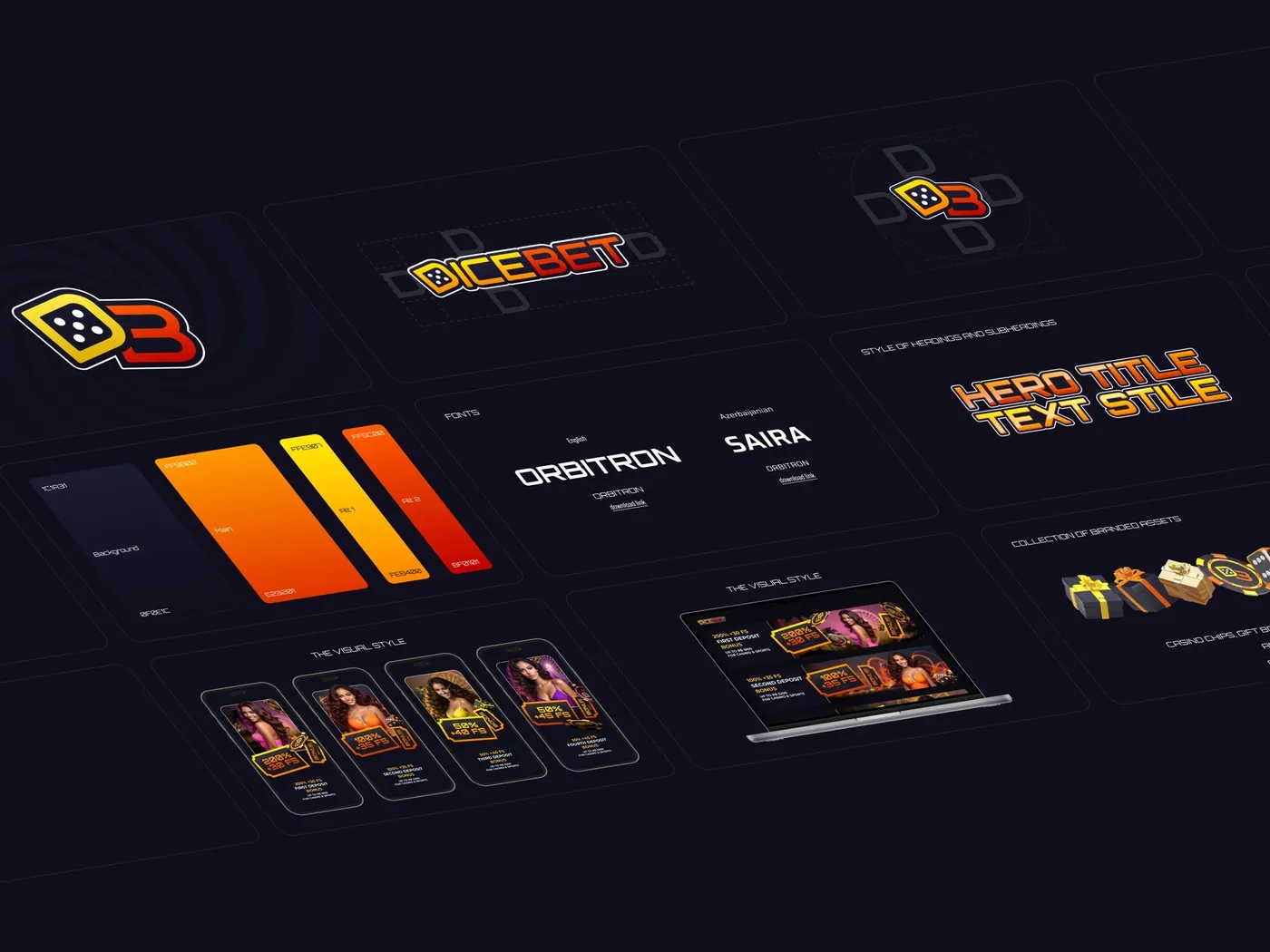
Carnival-themed online casino brand for a multi-market LatAm and Azerbaijan launch.
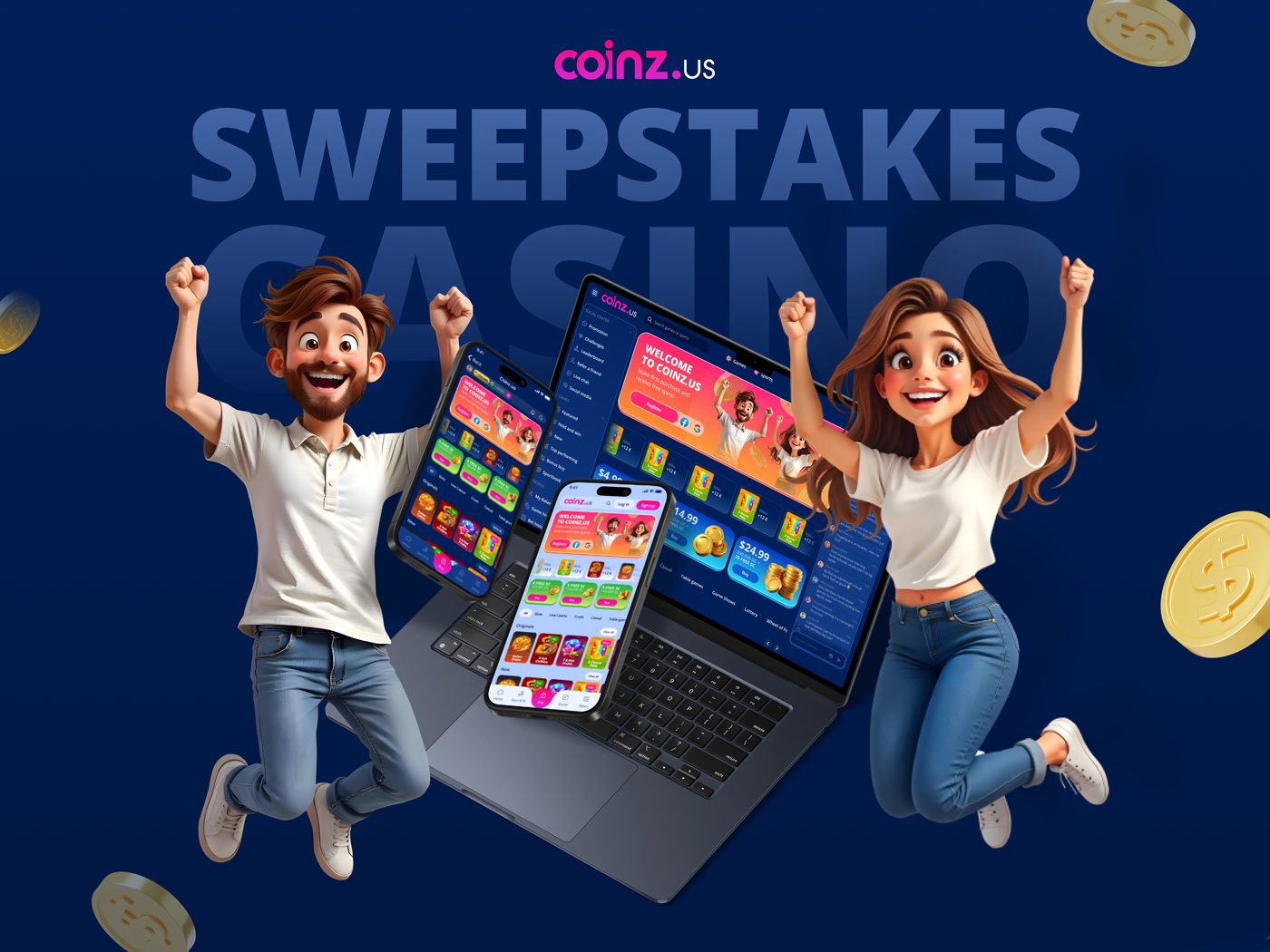 Coinzus
Crypto-native US sweepstakes casino — brand, 3D and full product UI across web, mobile and a Telegram Mini App.
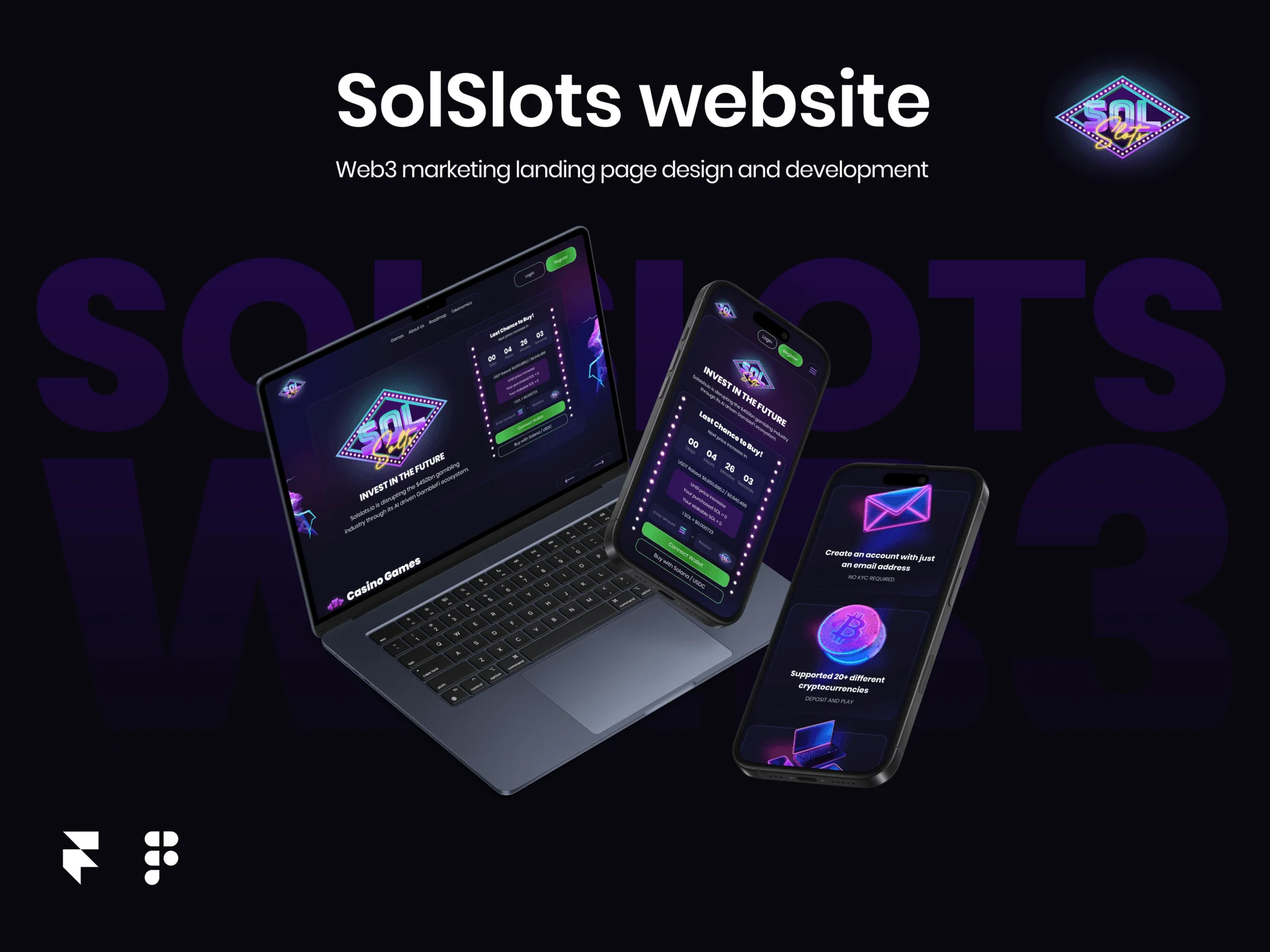 Solslots
High-converting, mobile-first Solana crypto casino landing with wallet onboarding.
Yes — six shipped casino, sportsbook and crypto products, named in the case studies below: Casino365, WildWest, Sprintbet, Dicebet, Coinzus and Solslots. They span mobile casino apps, full casino-and-sportsbook platforms, sweepstakes, and Solana-based crypto play, so the patterns, edge cases and compliance realities of this vertical are familiar ground, not a first attempt.
A focused brand identity or a single product surface — a lobby, a landing page, an onboarding flow — typically runs 3 to 6 weeks. A full brand-plus-product system with a custom design library, 3D assets and built front end is a larger engagement we scope in phases so you can launch the highest-impact pieces first.
We price per project against a defined scope rather than selling a fixed package, because a single high-converting landing page and a multi-market platform rebuild are very different jobs. Tell us the surfaces you need and your launch window and we'll come back with a phased quote — and a clear view of what to build first for the fastest return.
Both. We're full-stack under one roof — brand, UI/UX, 3D, motion and development — so we can hand off clean files to your engineers or ship the front end ourselves in Figma-to-Framer, React or your existing platform. You don't have to stitch a designer, an illustrator and a dev shop together yourself.
Tell us about your project and timeline — we reply within 12 hours.
We use cookies to personalise content and measure our ads. See our Cookie Policy.
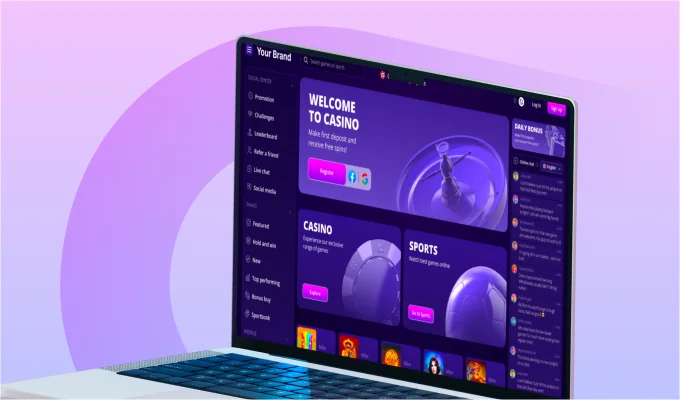 Turnkey Template
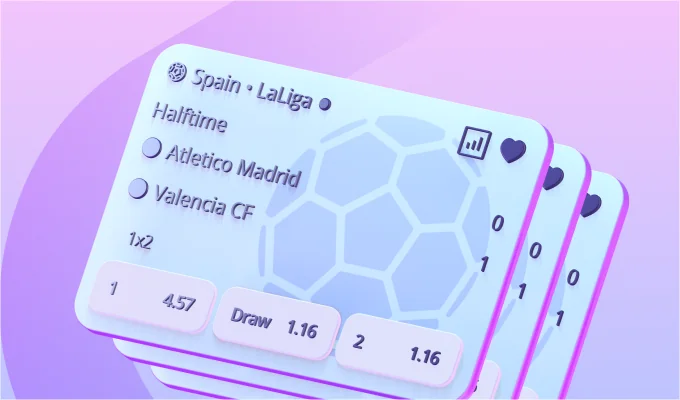 Sportsbook & Betting
 Platform Customization